
King honours Grimsby Freemason’s humanitarian work in conflict zones

Who deserves the next Care Excellence Award? Nominate a brother now!
October 12, 2026
Pete and Sallyanne raise almost £2,000 with parachute jump
October 13, 2026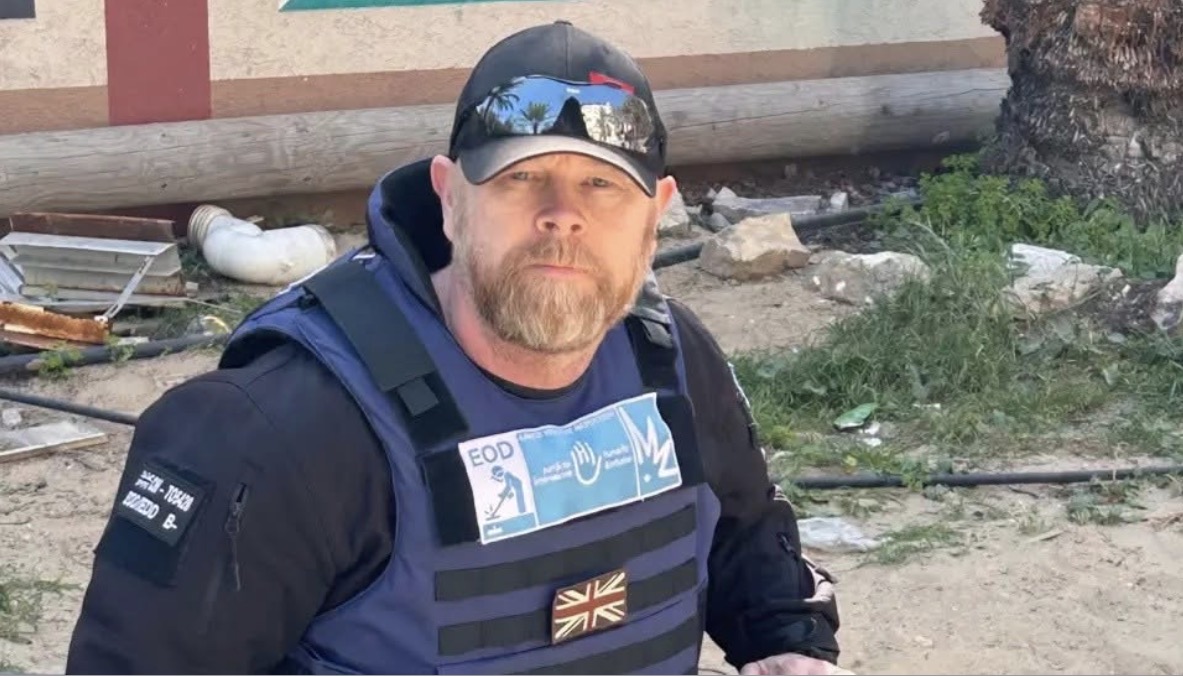
King Charles has recognised the commitment of Grimsby Freemason Gary Toombs in protecting civilians and humanitarian workers in some of the world’s most challenging environments by awarding him the Humanitarian Medal.
Gary, from New Waltham near Grimsby, was one of seven members of the international charity Humanity & Inclusion to receive this prestigious recognition for their work in Gaza.
He’s a former Royal Engineers bomb disposal officer, and served 16 years in the Army before joining Humanity & Inclusion in 2016. Since then, he has put his specialist expertise to use in conflict zones including Gaza, Ukraine, and Syria, helping to protect innocent lives and support communities affected by conflict. And he is preparing for a further deployment, this time to Ukraine – his seventh visit to the country since 2022.
Gary said he was proud to have been able to use skills he developed in military service for a humanitarian purpose, particularly when helping children return to school and supporting the rebuilding of hospitals.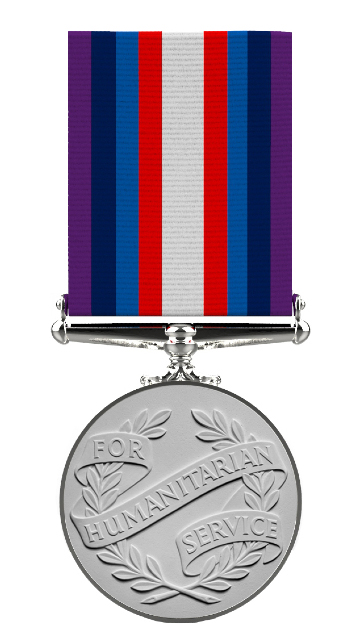
Gary is a member of Grimsby-based Astral Lodge, where members are proud of his achievement.
Final approval for the award of the Humanitarian Medal (right) is given by the King on the recommendation of Government departments and the Committee on the Grant of Honours, Decorations, and Medals. It’s a relatively new medal, having been introduced as recently as July 2023. It has been created as recognition for people in public service and members of organisations that contribute on behalf of HM Government, such as charities, which respond in support of human welfare during or in the aftermath of a crisis – for example, in combating a life-threatening crisis; providing disaster relief or aid provision; whether in hazardous circumstances such as conflict zones or otherwise; both in the UK and internationally.The Humanitarian Medal will only be awarded as part of the response to serious (level 2) or catastrophic (level 3) emergencies:
A Level 2 Emergency is one which has, or threatens, a wide and/or prolonged impact requiring sustained central government coordination and support from a number of departments and agencies, usually including the regional tier in England and where appropriate, the devolved administrations. The central government response to such an emergency would be coordinated from the Cabinet Office Briefing Rooms, under the leadership of the lead government department.
A Level 3 Emergency is one which has an exceptionally high and potentially widespread impact and requires immediate central government direction and support. Characteristics might include a top-down response in circumstances where the local response had been overwhelmed, or the use of emergency powers were required.