
Centenary Hall Stone Appeal: What will happen in Lincolnshire

PSA test places are filling fast: Have you booked yours?
March 13, 2026
Hedgehog hospital gets cash injection from Market Rasen Freemasons
March 13, 2026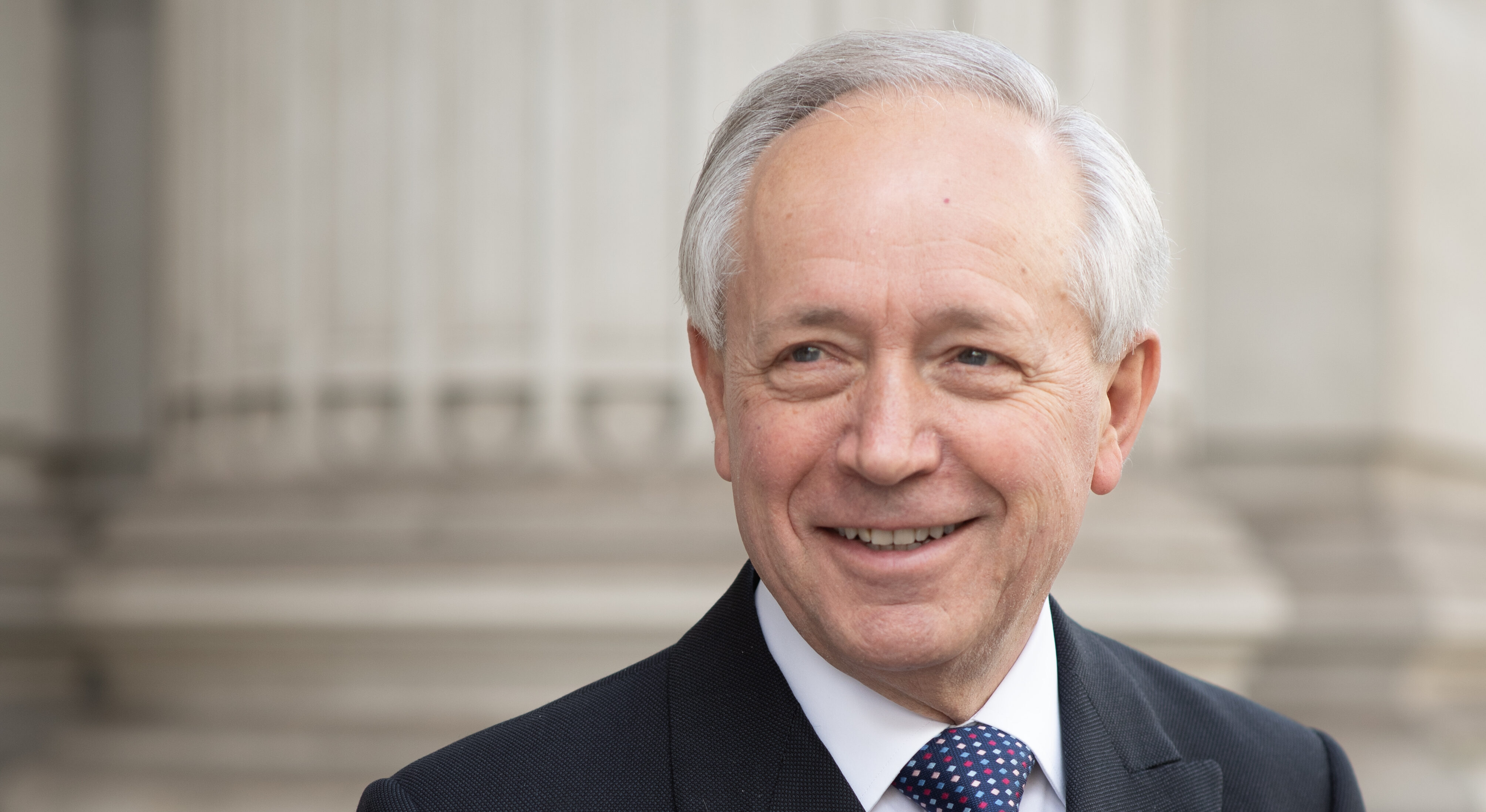
Welcoming the launch of the Centenary Hall Stone Appeal announced at the last QC meeting in London, and later circulated in a First Rising email to all members, PGM Dave Wheeler has outlined the way it will work in Lincolnshire.
His deputy John Crutchley is to chair a group formed specifically to look at projects and make applications from within the Province. Dave said each of Lincolnshire’s Masonic halls not only had its own character but was well run and special. “I wouldn’t necessarily change any of them, but if there is a need for improvement we can apply.
“We should bear in mind that this is a ten-year programme, and we should take the same view as our predecessors, that anything we do needs to take a long-term view. If ever there was a situation that was a marathon and not a sprint, then this is it. We must take a measured approach. No doubt John will be in touch in due course to explain just what that approach will be.”
Deputy Grand Master Sir Michael Snyder announced the appeal, a ten-year fundraising campaign to generate £100m to invest in Freemasons’ buildings throughout UGLE.
He said the launch marked the 100th anniversary of building work starting on Freemasons Hall, the last of London’s iconic art deco buildings still used for its original purpose. He said the Centenary Hall Stone Appeal was needed because of the changing needs of a modern world.
“Across the Constitution there are Masonic halls of every scale and character: some purpose-built, and some adapted. Each of those Masonic buildings should be, to the Brethren who meet there, a place they will want to return to, meeting after meeting. Our halls should be suitably well- resourced, not only to host Masonic meetings, but to be able to support our Lodges and Chapters who want to use the buildings for the benefit of their local communities.
“Many of those buildings now need investment if they are to be used appropriately in modern times. Accessibility, energy efficiency, safety, flexibility of use, and the practical demands of hosting both Masonic and community activities – these are not luxuries; they are increasingly the difference between a hall that struggles and a hall that thrives.
“And so, as we approach the Centenary of Freemasons’ Hall, it is an entirely appropriate time to do something about this: deliberately, ambitiously, and for the benefit of the whole Constitution.”
The appeal will unite two funds: The first is the Centenary Buildings Fund, or CBF. This will be ring-fenced within UGLE’s accounts, but is not a charitable fund. It will support works contributing to the day-to-day operation and sustainability of Masonic halls, such as essential upgrades, operational improvements, and the practical changes that make a building viable in modern times. The Centenary Hall Stone Appeal is for the benefit of the Centenary Buildings Fund, and although this is a very worthy cause, the fact that it will be funding general works on Masonic buildings means that it cannot operate as a charitable fund.
The second is the Community and Heritage Buildings Fund, or CHBF. This is a charitable fund, and it will support works with charitable, community and heritage attributes: those projects that preserve historically or architecturally important elements, improve community benefit significantly, or otherwise meet charitable purposes.